
Global Sexual Wellness Market Trends in 2025
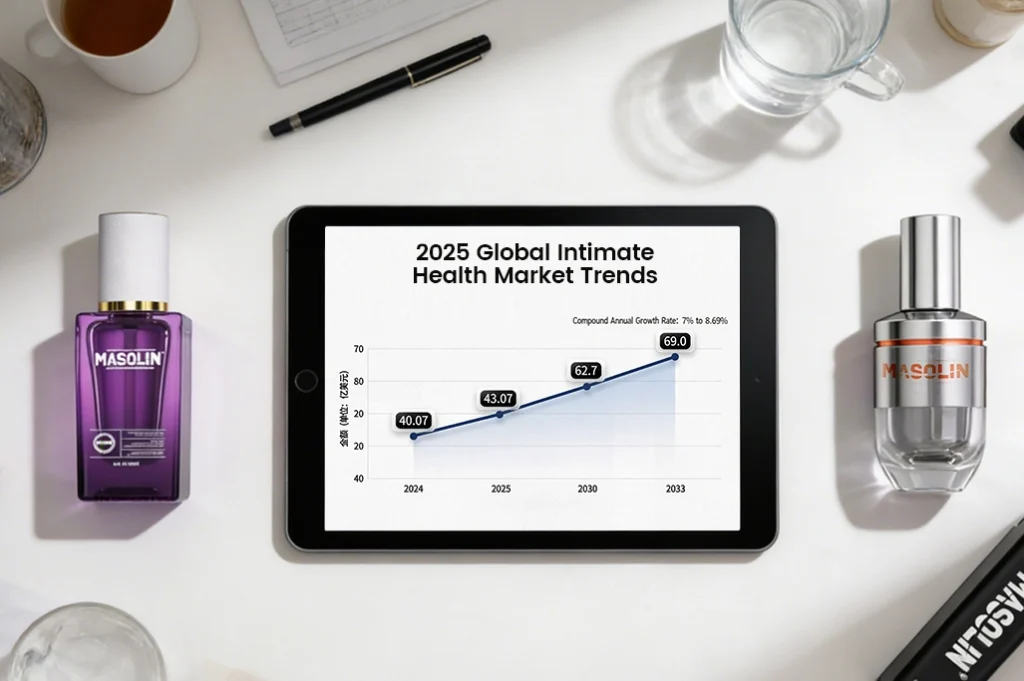
The intimate wellness market is undergoing a profound transformation, evolving from a niche segment into a mainstream powerhouse of the global wellness economy. For brand owners, investors, and B2B procurement managers, understanding the trajectory of this dynamic industry is no longer optional—it’s essential for strategic growth. As we look toward 2025 and beyond, a confluence of cultural shifts, technological innovations, and changing consumer behaviors is setting the stage for unprecedented expansion. This analysis delves into the key adult product industry trends and forecasts the sexual wellness market growth that will define the coming years.
The Meteoric Rise: Global Market Size and Projections
The numbers speak for themselves. The global sexual wellness market is on a steep upward curve. Valued at approximately USD 40.07 billion in 2024, the market is projected to surge to USD 43.07 billion in 2025 and is anticipated to exceed USD 69 billion by 2033, demonstrating a robust compound annual growth rate (CAGR) of over 7% [1]. Some forecasts are even more bullish, with certain segments like sex toys expected to grow at a CAGR of 8.69% to reach USD 62.7 billion by 2030 [2].
This growth isn’t confined to a single region. While North America currently holds a significant market share, driven by high consumer awareness and a mature e-commerce landscape, the Asia-Pacific region is emerging as the fastest-growing market. This is fueled by a burgeoning middle class, increasing internet penetration, and a gradual erosion of cultural taboos surrounding sexual health.
For B2B players, from raw material suppliers to OEM/ODM manufacturers, these figures signal a clear and compelling opportunity. The demand for high-quality, innovative, and safe products is not a fleeting trend but a long-term market reality. Aligning business strategies with this growth trajectory is paramount for capturing market share.
The Digital Revolution: E-commerce as the Engine of Growth
The primary catalyst for the sexual wellness market growth has been the rise of e-commerce. Online platforms offer a level of privacy, discretion, and accessibility that traditional brick-and-mortar stores cannot match. This has been particularly crucial for a market where stigma, though diminishing, still plays a role in purchasing decisions.
In 2023, e-commerce channels accounted for a staggering 76.41% of the personal lubricants market share [3]. This dominance is expected to continue, driven by several factors. Direct-to-consumer (DTC) brands have successfully used online platforms to build strong communities, educate consumers, and offer personalized experiences. They bypass traditional retail gatekeepers, allowing for greater agility and a direct line of communication with their customer base. Subscription services for products like condoms, lubricants, and even curated wellness boxes are gaining popularity, ensuring recurring revenue for brands and convenience for consumers. And brands are leveraging blogs, social media, and educational platforms to demystify sexual wellness and position themselves as trusted authorities—a content-first approach that builds brand loyalty and drives organic traffic.
The New Consumer: Educated, Empowered, and Holistic
The consumer of 2025 is vastly different from that of a decade ago. They are digitally savvy, health-conscious, and view sexual wellness as an integral component of their overall well-being. This shift in mindset has profound implications for product development and marketing.
| Consumer Characteristic | Implication for B2B Businesses |
|---|---|
| Holistic Health Focus | Consumers see the link between sexual health and mental, emotional, and physical wellness. Products that offer multiple benefits (e.g., a lubricant with skin-soothing properties) are highly valued. |
| Ingredient Transparency | There is a growing demand for clean, natural, and body-safe ingredients. Brands must prioritize transparent labeling and certifications (e.g., vegan, cruelty-free, paraben-free). Manufacturers must be able to provide detailed sourcing and safety data. |
| Inclusivity and Diversity | The modern consumer expects brands to be inclusive of all genders, sexual orientations, and body types. This extends to marketing imagery, product design, and language. |
| Desire for Education | Consumers are hungry for credible information. Brands that invest in educational content—explaining how products work, their benefits, and their ingredients—will build trust and authority. |
Product Trends to Watch in 2025 and Beyond
Innovation is at the heart of the adult product industry trends. As consumer preferences evolve, so too must the products on offer. Several key trends are shaping the future of the market.
The convergence of technology and sexual wellness is creating a new generation of smart devices. App-controlled vibrators, biometric sensors that track arousal, and virtual reality experiences are just the beginning. Manufacturers must invest in R&D to stay ahead of the curve. The market is also moving beyond a male-centric focus to address the specific needs of women and the LGBTQ+ community. This includes products for menopause relief, pelvic floor health, and gender-affirming care.
Consumers are increasingly concerned about the environmental and social impact of their purchases. Brands that prioritize sustainable materials, ethical sourcing, and eco-friendly packaging will have a competitive advantage. And just as in the beauty industry, ingredients like CBD, ashwagandha, and hyaluronic acid are making their way into sexual wellness products, promising benefits from relaxation to enhanced hydration.
The Path Forward for B2B Success
The intimate wellness market of 2025 is characterized by growth, innovation, and a more discerning consumer. For B2B businesses, success will hinge on the ability to adapt to these trends. This means investing in R&D to stay at the forefront of product innovation, prioritizing quality and safety by adhering to international standards and certifications, embracing flexibility to offer both large-scale production and smaller customized runs for niche brands, and building strategic partnerships with brands that share a commitment to quality, transparency, and consumer education.
The future of the intimate wellness market is not just about selling products; it’s about empowering individuals to lead healthier, more fulfilling lives. For the B2B sector, this represents a unique opportunity to be at the forefront of a movement that is changing the world for the better.
References
[1] Businesswire. (2025, December 18). Global Sexual Wellness Market Outlook 2025-2032. Retrieved from https://www.businesswire.com/news/home/20251218182114/en/Global-Sexual-Wellness-Market-Outlook-2025-2032—Rising-Collaborations-Between-Sexual-Wellness-Brands-and-Mental-Health-Experts-Addressing-Intimacy-Anxiety-and-Relationship-Communication—ResearchAndMarkets.com
[2] Grand View Research. (n.d.). Sex Toys Market Size, Share & Growth Analysis Report, 2030. Retrieved from https://www.grandviewresearch.com/industry-analysis/sex-toys-market
[3] Yahoo Finance. (2025, August 25). Personal Lubricants Market to Surpass USD 3.41 Billion by 2032. Retrieved from https://finance.yahoo.com/news/personal-lubricants-market-surpass-usd-133000377.html
