
How to Choose the Right Personal Lubricant
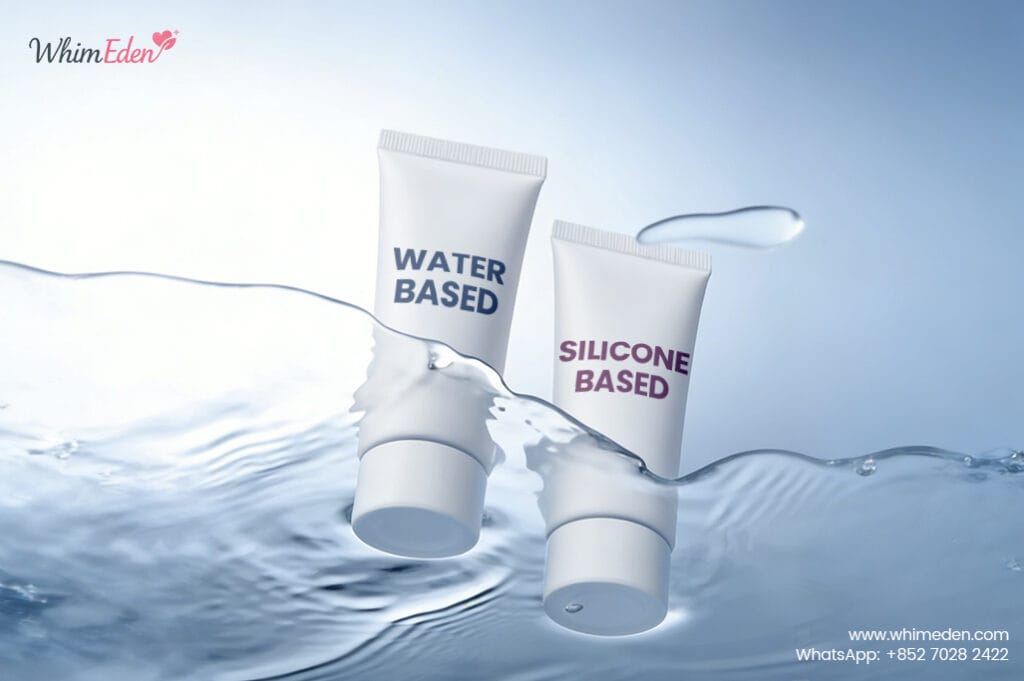
Navigating the world of personal lubricant can feel overwhelming. With an ever-expanding array of options, from water-based to silicone-based formulas, making the right choice is crucial for comfort, pleasure, and safety. Whether you’re a consumer looking for the best lubricant for couples or a B2B buyer curating a product line, this comprehensive guide will demystify the differences and help you understand how to choose lubricant that perfectly suits your needs.
Why Use Personal Lubricant?
First, let’s establish a key fact: personal lubricant is for everyone. It’s not just for addressing vaginal dryness; it’s about enhancing intimacy, increasing comfort, and making good sex even better. Lubricants reduce friction, which can prevent soreness and irritation, and can heighten sensation for all parties involved. The global personal lubricants market is a testament to their popularity, valued at over USD 1.48 billion and projected to grow significantly [1]. This growth is driven by a wider acceptance of sexual wellness products and a better understanding of their benefits.
The Great Debate: Water-Based vs. Silicone-Based Lubricants
The most fundamental choice you’ll make is the base ingredient of your lubricant. The two most popular and versatile types are water-based and silicone-based. Each has distinct properties, advantages, and disadvantages.
Water-Based Lubricants: The All-Rounder
Water-based lubricants are the most common and widely recommended type, especially for beginners. As the name suggests, their primary ingredient is water.
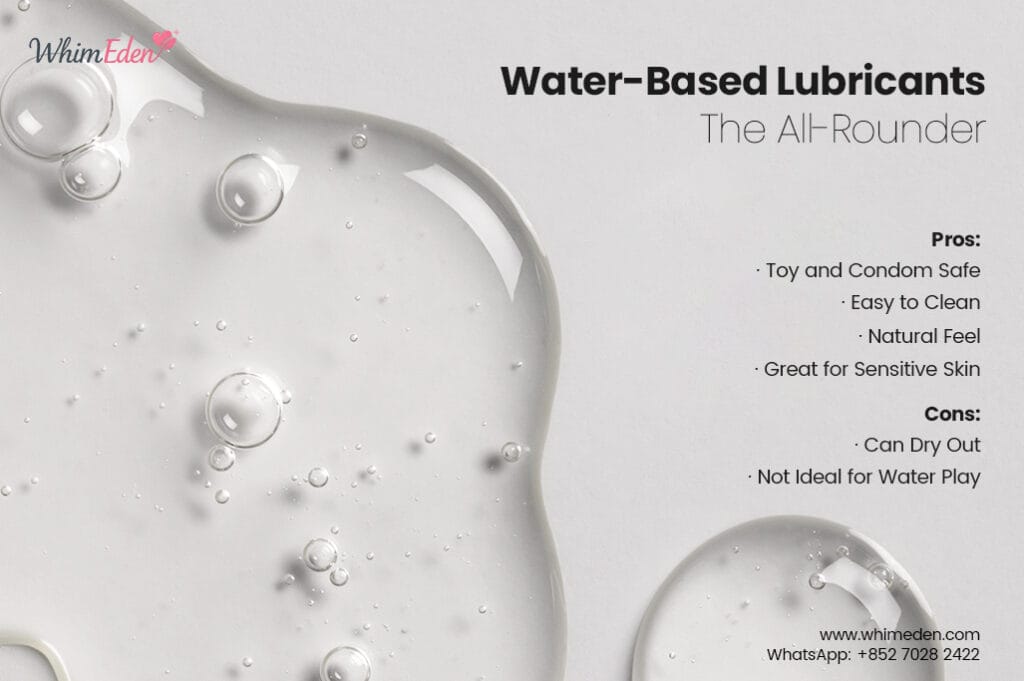
Pros:
- Toy and Condom Safe: They are safe to use with all sex toys, including those made of silicone, and are compatible with latex and polyisoprene condoms.
- Easy to Clean: Being water-soluble, they don’t stain sheets and wash off easily with just water.
- Natural Feel: High-quality formulas can feel very similar to natural lubrication.
- Great for Sensitive Skin: They are typically hypoallergenic and less likely to cause irritation.
Cons:
- Can Dry Out: Because they are water-based, they can evaporate and may require reapplication during longer sessions.
- Not Ideal for Water Play: They will wash away quickly in the shower or bath.
Within the water-based category, you’ll find variations. Some are thin and liquidy, while others have a thicker, gel-like consistency. Newer formulas, like those with hyaluronic acid, offer enhanced moisturizing properties and a longer-lasting glide.
Silicone-Based Lubricants: The Long-Lasting Performer
Silicone-based lubricants use medical-grade silicone as their base. They offer a uniquely slick and long-lasting glide.
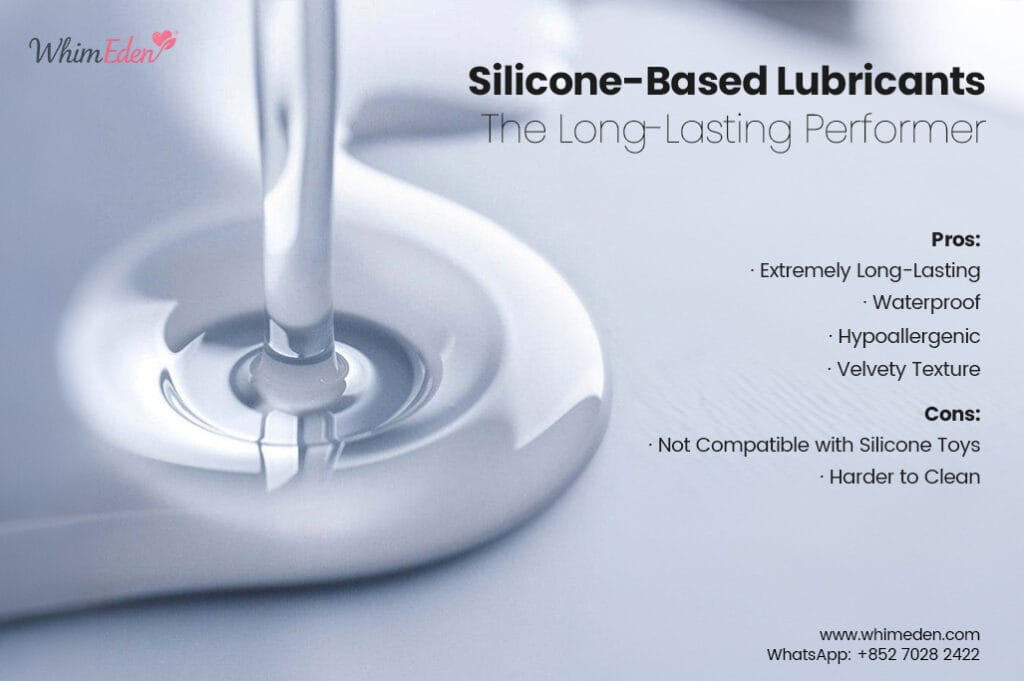
Pros:
- Extremely Long-Lasting: A little goes a long way, and reapplication is rarely needed.
- Waterproof: They maintain their slipperiness in water, making them perfect for shower or bath play.
- Hypoallergenic: Since silicone is chemically inert, it’s an excellent choice for those with sensitive skin.
- Velvety Texture: Many users love the silky, smooth feel of silicone lubricants.
Cons:
- Not Compatible with Silicone Toys: This is a critical point. Silicone lubricant can degrade the surface of silicone sex toys over time, making them sticky or tacky. Always check your toy’s material before using a silicone-based lube.
- Harder to Clean: They are not water-soluble, so you’ll need soap and water to wash them off your skin and any fabrics.
A Quick Word on Oil-Based Lubricants
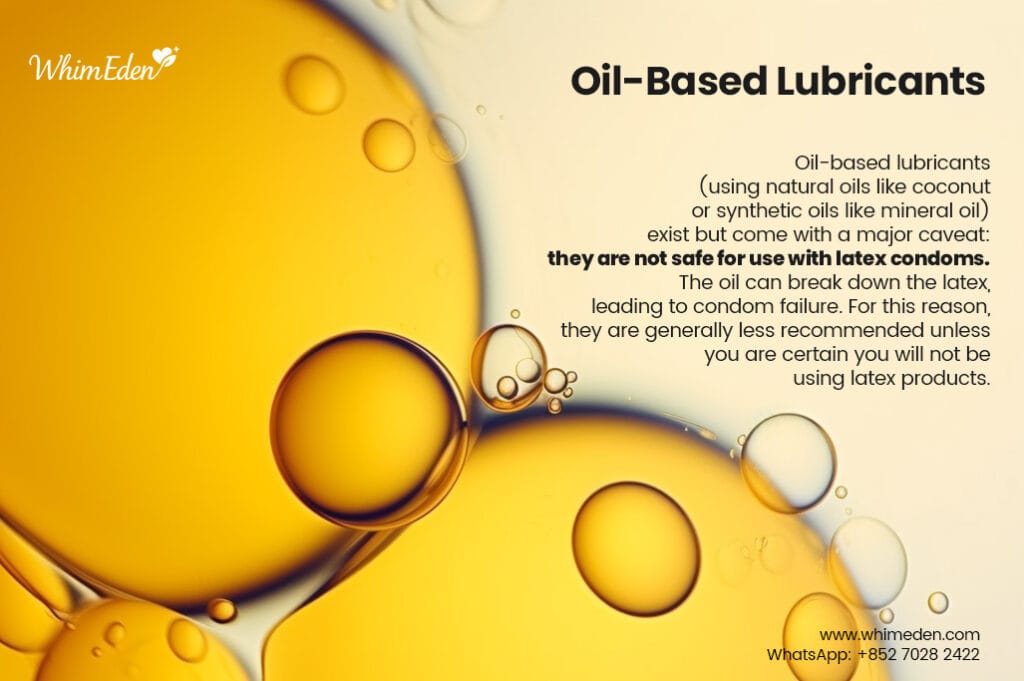
Oil-based lubricants (using natural oils like coconut or synthetic oils like mineral oil) exist but come with a major caveat: they are not safe for use with latex condoms. The oil can break down the latex, leading to condom failure. For this reason, they are generally less recommended unless you are certain you will not be using latex products.
Comparison Table: Water vs. Silicone vs. Oil
| Feature | Water-Based Lubricant | Silicone-Based Lubricant | Oil-Based Lubricant |
|---|---|---|---|
| Longevity | Moderate (may need reapplication) | Very Long-Lasting | Long-Lasting |
| Condom Safety | Yes (Latex & Polyisoprene) | Yes (Latex & Polyisoprene) | No (Degrades Latex) |
| Toy Safety | Safe with all materials | Not for Silicone Toys | Safe with most materials (check manufacturer) |
| Water Play | No (washes away) | Yes (waterproof) | Yes (water-resistant) |
| Cleanup | Very Easy (water-soluble) | Requires Soap & Water | Difficult (can stain) |
| Best For | General use, toys, sensitive skin | Long sessions, water play, anal sex | Massage, external use (without latex) |
Choosing a Lubricant for Specific Needs
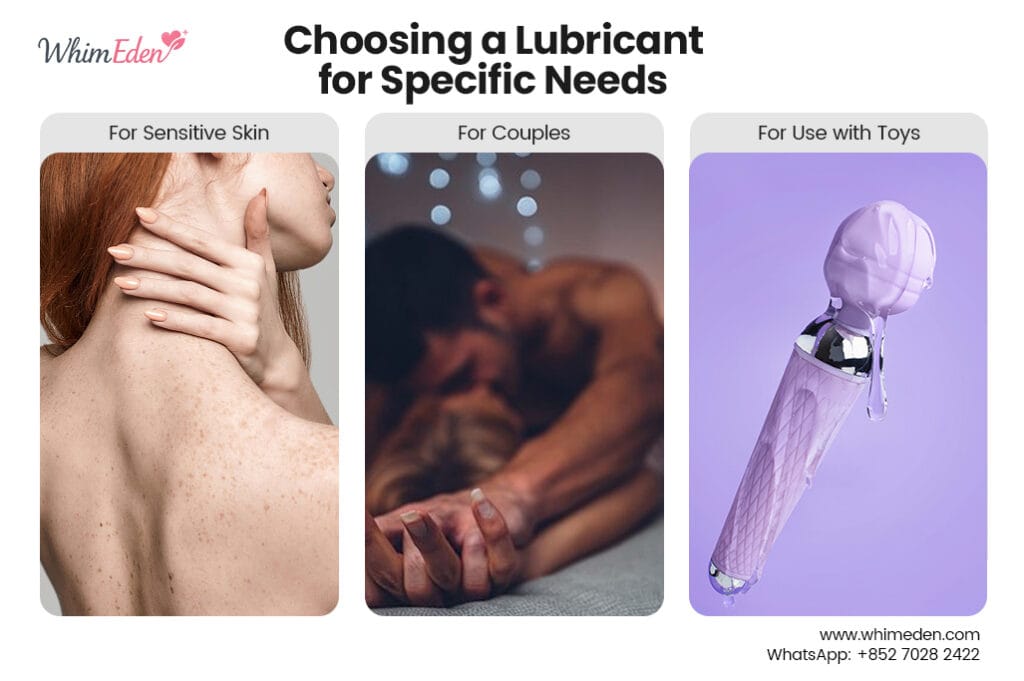
For Sensitive Skin: If you have sensitive skin or are prone to allergies, look for natural lubricants. Opt for formulas free from glycerin, parabens, and harsh chemicals. A simple, pure water-based or silicone-based lubricant is often the safest bet.
For Couples: When choosing the best lubricant for couples, communication is key. You might want to have both a water-based and a silicone-based option on hand. A water-based lube is a great starting point for vaginal intercourse, while a silicone-based one might be preferred for anal sex due to its superior longevity and slickness.
For Use with Toys: This is simple: if your toys are made of silicone, always use a water-based lubricant. For toys made of glass, metal, or hard plastic, either water-based or silicone-based is fine.
The Takeaway: Making the Right Choice
Ultimately, the best personal lubricant is the one that works for you and your partner. For most people and most situations, a high-quality water-based lubricant is the perfect all-around choice. It’s safe, effective, and easy to use. However, for those seeking a longer-lasting glide or for adventures in the water, a silicone-based lubricant is an unbeatable option.

For B2B brands, offering a curated selection of both premium water-based and silicone-based lubricants is the best strategy to meet diverse consumer needs. By understanding the key differences and educating your customers, you can empower them to make choices that enhance their intimate lives. Partnering with a knowledgeable personal lubricant manufacturer can help you develop formulas that are safe, effective, and perfectly aligned with your brand’s promise of quality.
References
[1] SNS Insider. (n.d.). Personal Lubricants Market Size & Share, Outlook Report 2032. Retrieved from https://www.snsinsider.com/reports/personal-lubricants-market-6757
